Ζούμε σε μια εποχή υπερέκθεσης και ταχύτητας, με αποτέλεσμα η φωτογραφία συχνά να εγκλωβίζεται στο παρόν. Υπάρχουν όμως έργα που επιστρέφουν στην ουσία της: να θυμίζουν, να συγκινούν, να διασώζουν. Η έκθεση του φωτογράφου και εικαστικού Νίκου Μπασιά «Από το Βορρά στο Νότο, στα χνάρια της μνήμης», που παρουσιάζεται στον Πολυχώρο – Γκαλερί της Δημοτικής Πινακοθήκης Ηρακλείου, ανήκει σε αυτήν ακριβώς την κατηγορία.
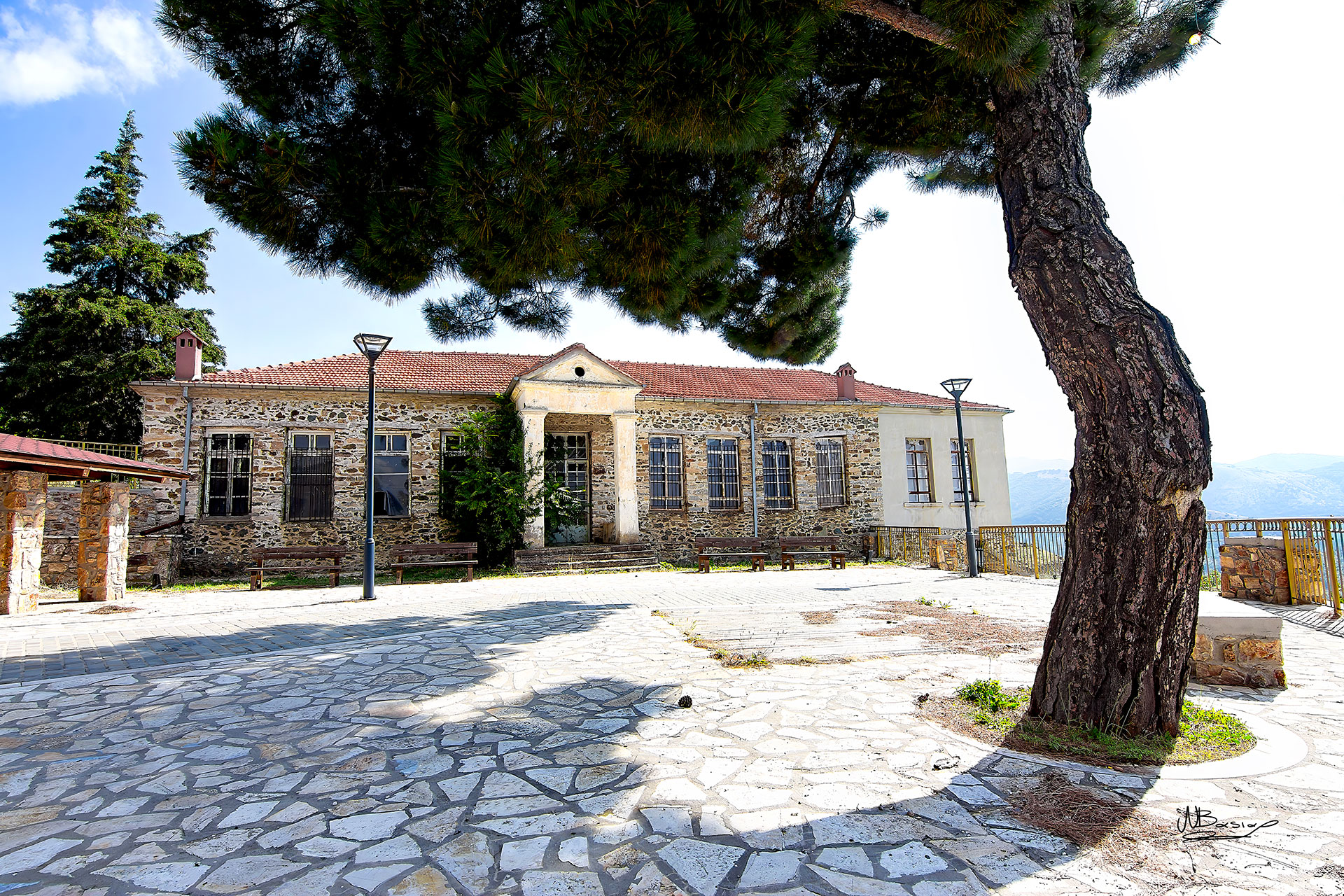
Για περισσότερα από 13 χρόνια, ο Νίκος Μπασιάς φωτογραφίζει σχολεία ρημαγμένα ή παρατημένα σε διαφορετικές γωνιές της Ελλάδας,της Κύπρου και της Σμύρνης. Δεν καταγράφει απλώς κτίρια, αλλά ίχνη ανθρώπινης παρουσίας. Η εγκατάλειψη μετατρέπεται σε αφήγηση, η φθορά σε εικόνες, μέσα στην ακινησία τους, μοιάζουν να μιλούν για τις ζωές που κάποτε γέμιζαν τάξεις και αυλές.
Με έντονα προσωπική ματιά, το φως και η υφή των φωτογραφιών ξεπερνούν το ντοκουμέντο και μετατρέπονται σε βιωματική εμπειρία. Η έκθεση υπενθυμίζει τον ρόλο της φωτογραφίας ως φορέα μνήμης -όχι με νοσταλγία, αλλά με τρυφερότητα και μια ήσυχη, ποιητική αντίσταση στη λήθη.
Με αφορμή την έκθεση, ακολουθεί αποκλειστική συνέντευξη του Νίκου Μπασιά στην Athens Voice, όπου ο ίδιος μιλά για την έμπνευσή του, τη μακρόχρονη περιπλάνησή του στα ξεχασμένα σχολεία και τη σχέση της εικόνας με τη συλλογική μνήμη.
We live in an era of overexposure and speed, where photography often becomes trapped in the present moment. Yet there are works that return to its very essence: to remind, to move, to preserve. The exhibition by photographer and visual artist Nikos Basias, “From North to South, in the Footsteps of Memory,” presented at the Multi-purpose Space of the Heraklion Municipal Art Gallery, belongs precisely to this category.
For more than 13 years, Nikos Basias has been photographing ruined or abandoned schools in different corners of Greece, as well as in Cyprus and Smyrna . He does not merely document buildings, but traces of human presence. Abandonment is transformed into narrative, decay into images that, in their stillness, seem to speak of the lives that once filled classrooms and schoolyards.
Through an intensely personal gaze, the light and texture of the photographs transcend documentation and become a lived experience. The exhibition serves as a reminder of photography’s role as a vessel of memory—not through nostalgia, but through tenderness and a quiet, poetic resistance to oblivion.
On the occasion of the exhibition, an exclusive interview with Nikos Basias follows in Athens Voice, in which he speaks about his inspiration, his long journey through forgotten schools, and the relationship between the image and collective memory.